Overview
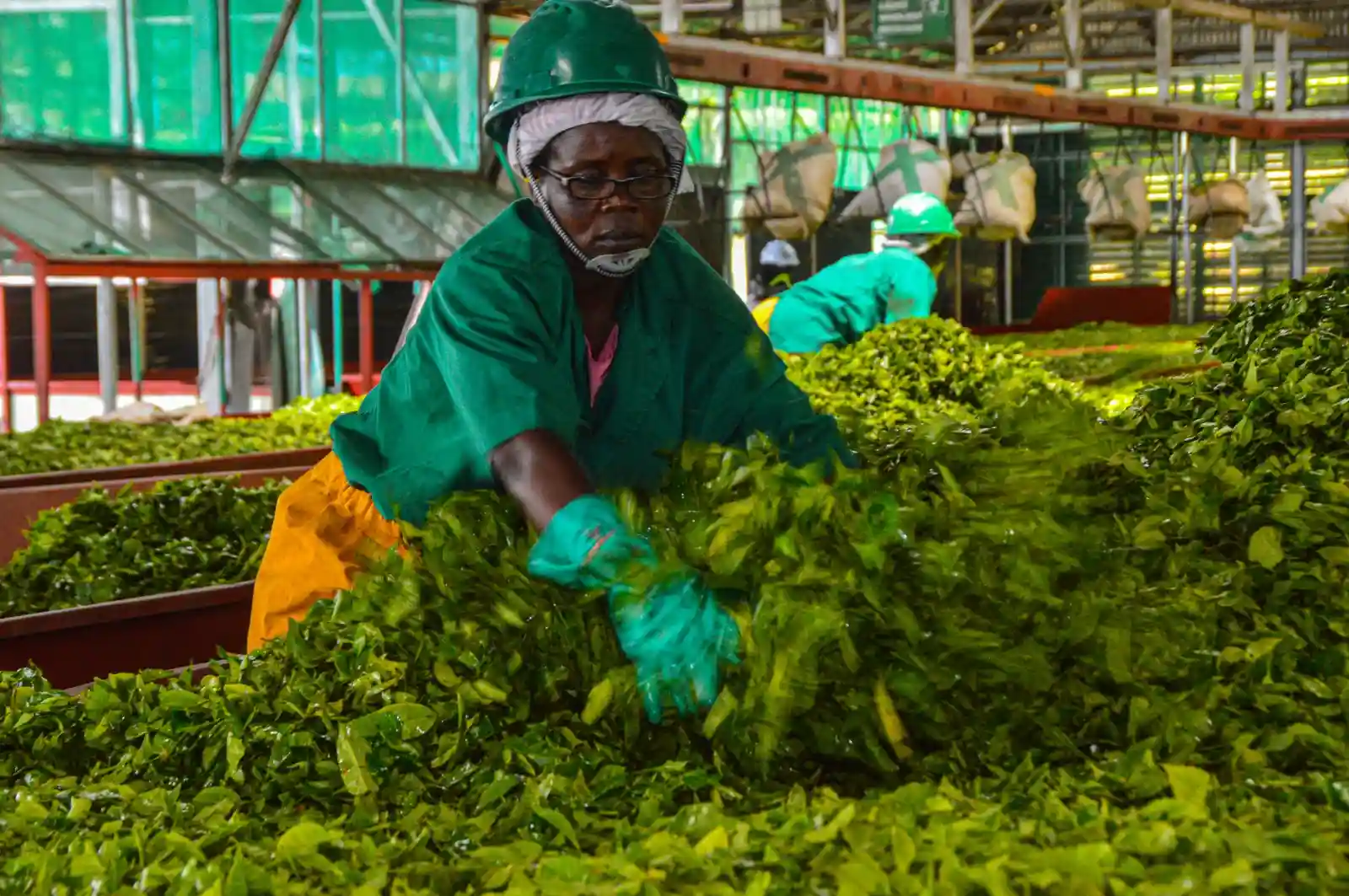
The Greener Tea Project is a lighthouse demonstration delivering clean, reliable energy to Kenya’s tea sector. By converting agricultural residues into low-carbon power and heat, the project supports more sustainable production while creating value from waste.
Designed as a scalable model, Greener Tea brings together technology, industry and research partners to demonstrate how circular energy systems can transform agri- processing in developing markets.
Project Partners and Delivery
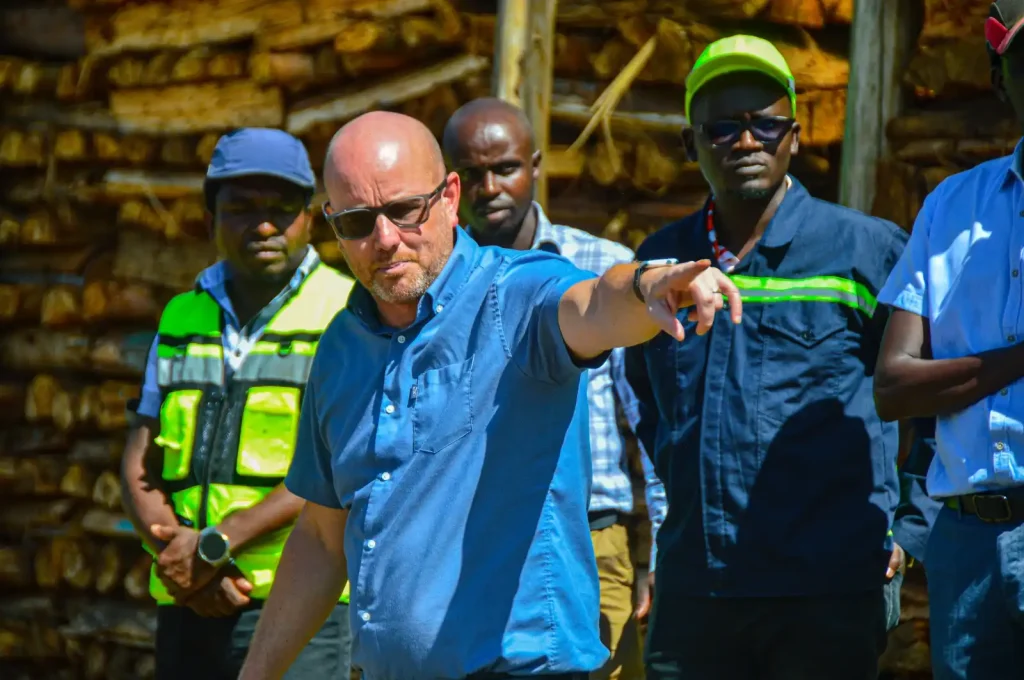
The Greener Tea Project is delivered through the United Nations Industrial Development Organization (UNIDO) under the Accelerate-to-Demonstrate (A2D) Facility, which supports the deployment and scale-up of innovative climate technologies in developing markets.
The project brings together a consortium of international and in-country partners, combining technical expertise, research and local implementation:
-
Compact Syngas Solutions (CSS) – Technical lead, responsible for system design, build and deployment.
-
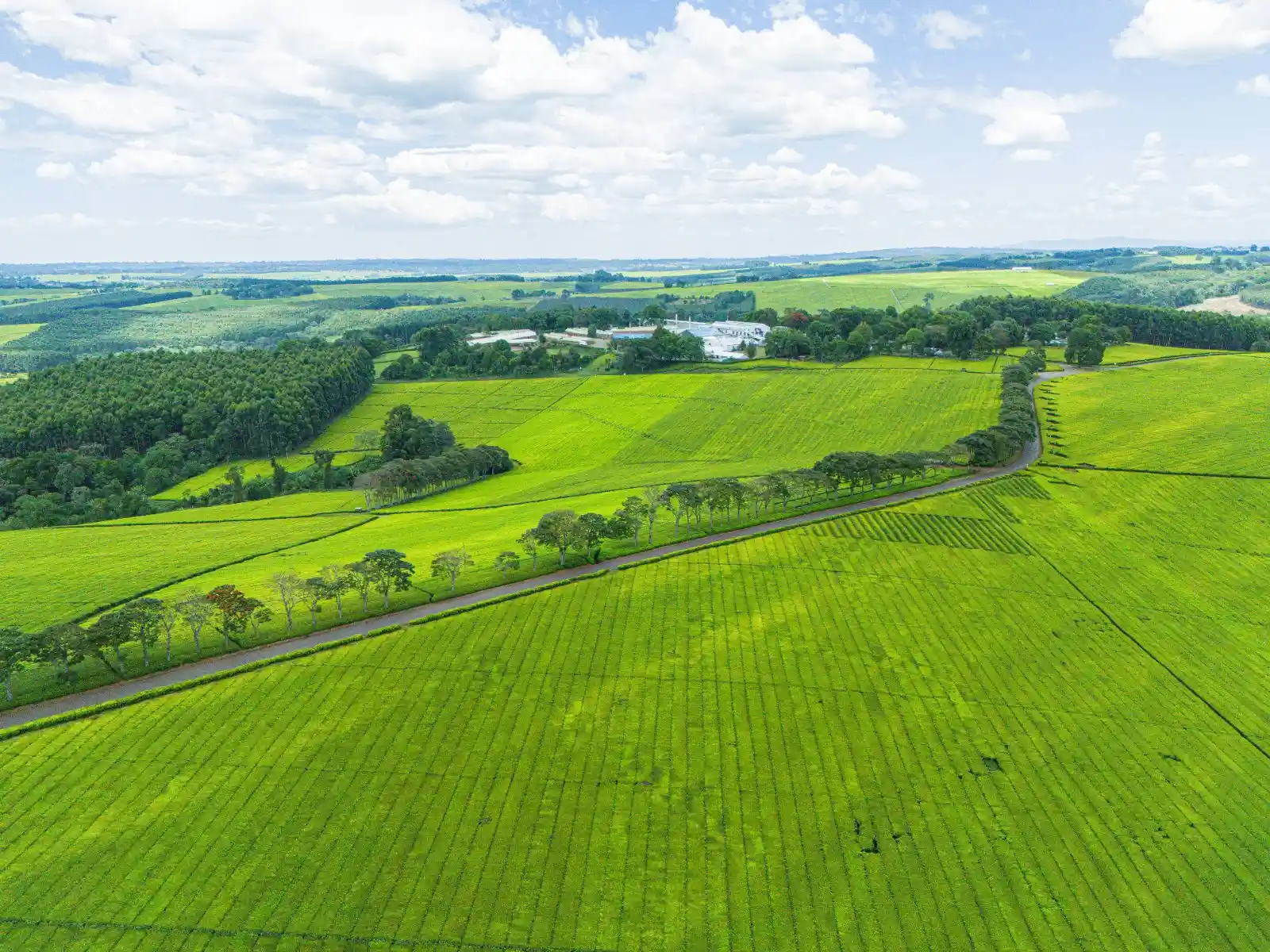
Browns Plantations Kenya (BPK) – Host site and end-user, providing operational integration and real-world validation
-
International Institute of Tropical Agriculture (IITA) – Supporting biomass, biochar and agronomic validation
-
Supivaa Advisory Group – Supporting stakeholder engagement and inclusive delivery
Together, the partnership enables a real-world demonstration of a scalable, low-carbon solution within a live industrial setting.
The Challenge
Tea processing is energy-intensive, requiring continuous heat and power. Many factories rely on fuelwood and grid electricity, often supplemented by diesel backup.
This creates a number of challenges:
- High and volatile energy costs
- Pressure on local biomass resources & deforestation
- Carbon emissions from fossil fuels
- Limited access to reliable, low-carbon energy
The Solution
The Greener Tea Project will be deploying a modular biomass energy system (MicroHub) within a live tea processing facility at Browns Plantations Kenya.
The system converts locally available agricultural residues into:
- Process heat and power for factory operations
- Biochar for agricultural application
- Carbon-negative outputs supporting climate impact
Designed for off-grid and weak-grid environments, the system provides a reliable and integrated energy solution tailored to industrial use.
Why it matters
Greener Tea demonstrates a new approach to industrial decarbonisation, one that links energy, agriculture and circular resource use.
Key benefits include:
Reduced reliance on fuelwood and fossil fuels
Lower carbon emissions from tea processing
Improved resource efficiency through waste utilisation
Creation of additional value streams through biochar
As a lighthouse project, it provides a real-world example of how low-carbon technologies can be deployed and scaled in emerging markets.
Early Insights
As the project progresses towards deployment, several key insights are emerging:
- The importance of integrating energy systems seamlessly into existing factory operations to minimise disruption and ensure reliability
- The value of consistent, locally available feedstock supply in maintaining stable system performance
- The critical role of strong partnerships in enabling effective delivery, stakeholder alignment and long-term adoption
- The potential of circular models to unlock additional environmental and economic value, particularly through the use of biochar
What Comes Next
The MicroHub system will be deployed in Q3 2026, marking the transition from design and validation to full-scale industrial operation. Operational data will be generated throughout 2027–2028 to inform performance, impact and scalability.
Future phases will focus on:
- Demonstrating reliable, continuous operation in a real-world tea processing environment
- Quantifying emissions reduction and broader environmental benefits, including carbon sequestration through biochar
- Validating commercial models and investment pathways for scale
- Enabling replication across the tea sector and other agro-industrial applications
Looking Ahead
The Greener Tea Project is designed not only as a demonstration, but as a blueprint for scale—supporting the transition to cleaner, more resilient industrial systems across developing markets.
Need Help?
Have a question or need assistance? We’re here to help. Reach out to our team and we’ll get back to you as soon as possible.
Contact UsGet the App
Access everything on the go. Scan to download and stay connected anytime.